Coffee slows biological ageing in major psychiatric disorders patients
Study links 3-4 cups daily to longer telomeres in psychosis and bipolar disorder
Advertisement


Drinking a maximum of 3-4 cups of coffee a day may slow the ‘biological’ ageing of people with severe mental illness, by lengthening their telomeres—indicators of cellular ageing—and giving them the equivalent of 5 extra biological years, compared with non-coffee drinkers, finds research published in the open access journal BMJ Mental Health.

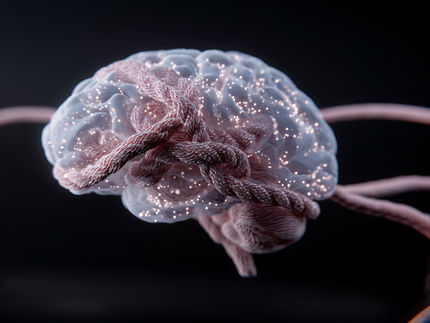
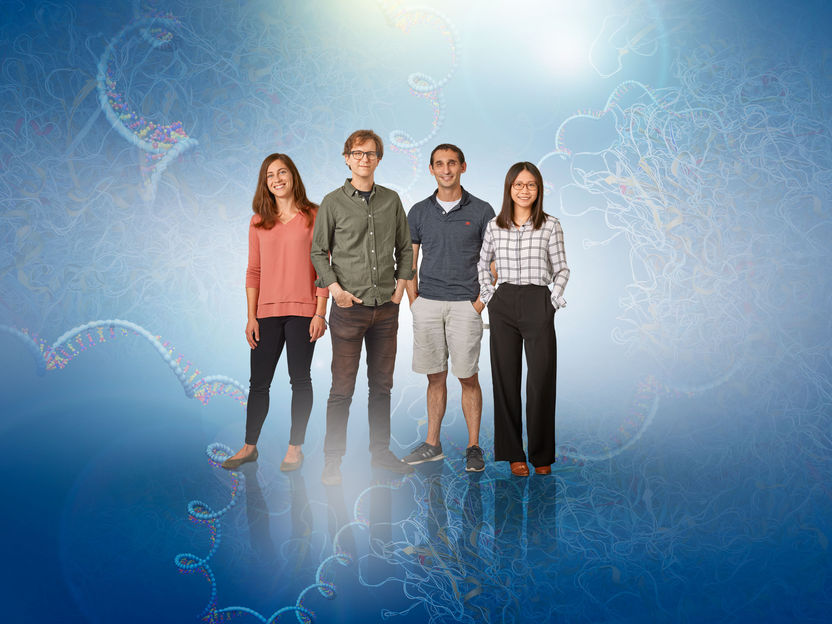
Symbolic image
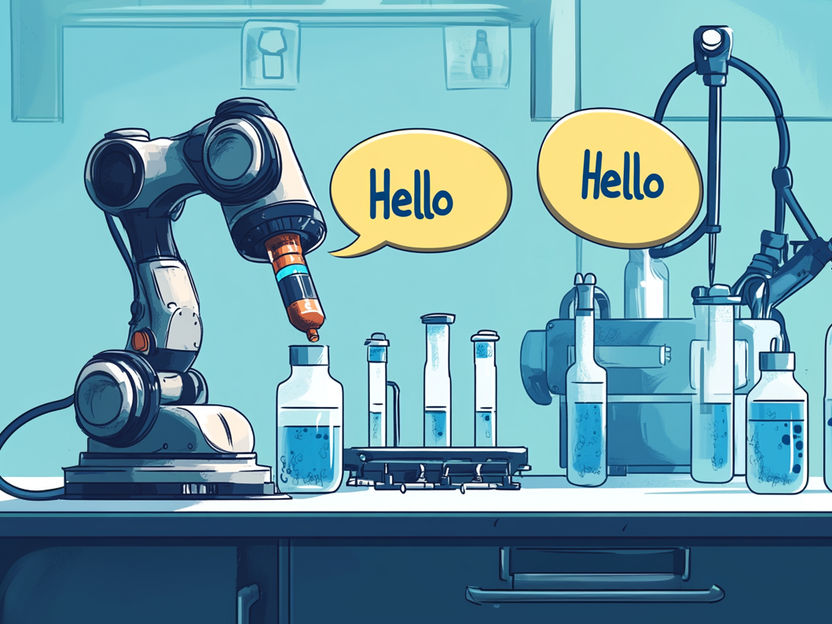
AI-generated image
But no such effects were observed beyond this quota, which is the maximum daily intake recommended by several international health authorities, including the NHS and the US Food and Drug Administration.
Telomeres sit on the end of chromosomes and perform a role similar to the plastic tips on the end of shoelaces. While telomere shortening is a natural part of the ageing process, it seems to be accelerated in those with major psychiatric disorders, such as psychosis, schizophrenia, and bipolar disorder, note the researchers.
Telomeres are sensitive to environmental factors, including, possibly, diet. And coffee, when drunk in moderation, has been associated with various health benefits, prompting the researchers to explore whether it might influence the rate at which telomeres shorten in people with major mental ill health.
They included 436 adult participants from the Norwegian Thematically Organised Psychosis (TOP) study, recruited between 2007 and 2018: 259 had schizophrenia; the rest (177) had affective disorders, including bipolar disorder and major depressive disorder with psychosis.
Participants were asked how much coffee they drank every day and were grouped into 4 categories: zero (44); 1–2 cups; 3–4 cups (110); and 5 or more cups. And they were asked whether they smoked, and if so, for how long they had done so.
Participants who drank 5+ cups a day were significantly older than those who drank none or 1–2 cups a day. And those with schizophrenia drank significantly more coffee than those with an affective disorder.
Smoking is associated with faster caffeine metabolism. And around three quarters of participants (77%; 337) smoked, and had done so, on average, for 9 years. And those drinking 5+ cups a day had smoked for significantly longer than any of the other groups.
Telomere length was measured from white blood cells (leucocytes) extracted from blood samples, and this revealed a significant difference among the 4 groups, forming a J shaped curve.
Compared with those drinking no coffee, drinking up to 3–4 cups a day was associated with longer telomeres, but not in those participants drinking 5 or more every day.
Those participants getting a daily 4-cup caffeine hit had telomere lengths comparable to a biological age 5 years younger than that of non-coffee drinkers after adjusting for age, sex, ethnicity, tobacco use, type of mental ill health, and drug treatment.
This is an observational study, and, as such, no firm conclusions can be drawn about cause and effect. And the researchers acknowledge that they had no information on potentially influential factors, including the type and timing of the coffee consumed, actual caffeine levels, or other sources of caffeinated drinks.
But there are plausible biological explanations for their findings, they suggest. These include the powerful antioxidant and anti-inflammatory compounds found in coffee.
“Telomeres are highly sensitive to both oxidative stress and inflammation, further highlighting how coffee intake could help preserve cellular ageing in a population whose pathophysiology may be predisposing them to an accelerated rate of ageing,” they explain.
Coffee is popular worldwide, with an estimated 10.56 billion kilos consumed around the globe in 2021-2 alone, they point out.
But despite its potential benefits, “consuming more than the daily recommended amount of coffee may also cause cellular damage and [telomere] shortening through the formation of reactive oxygen species,” they caution, emphasising that international health authorities recommend limiting caffeine intake to a maximum of 400 mg/day (4 cups of coffee).
Original publication
Vid Mlakar, Marta Di Forti, Els F Halff, Deepak P Srivastava, Ibrahim Akkouh, Srdjan Djurovic, Carmen Martin-Ruiz, Daniel S Quintana, Viktoria Birkenæs, Nils Eiel Steen, Monica BEG Ormerod, Ole A Andreassen, Monica Aas; "Coffee intake is associated with telomere length in severe mental disorders"; BMJ Mental Health, Volume 28, 2025-11-25

Other news from the department science











Most read news



More news from our other portals


















Last viewed contents
Munich-based lab automation startup raised €2.77M - AI-driven biotech research: Connected labs for faster scientific progress
How machine learning, data integration and AI contribute to better strategies in the fight against pathogens - Researchers develop a new machine learning approach
Gene_therapy

Adapting the Power of Density Gradient Separations for Gene Therapy Analytics - DGE-AUC (Density Gradient Equilibrium AUC) highly simplified analytical method
Fast and Reproducible AAV Quantification - Fast, Direct, and Label-free Quantitation of AAV Capsids in Bioprocess Control
Purifying mRNA using the original PS-DVB columns and buffers for new vaccines development - Messenger RNA Purification and Production with highest purity for the development of novel vaccines

How many robotic applications are driving medicinal product production - Why robotics is indispensable in the production of medicinal products

HeartBeat.bio Joins Forces with Boehringer Ingelheim to Advance Gene Therapies for Inherited Heart Muscle Disorders

PlasmidFactory and Fraunhofer IZI join forces to advance non-viral cell and gene therapies
An ETH spin-off aims to bring gene scissors to the clinic - "The pharmaceutical industry is very interested in our work"

For the first time in Germany: haemophilia B treated with gene therapy - A single injection replaces long-term therapy