First synthesis of open-chain N-stereogenic amines achieved
Study enables enantiomerically pure products for drug development.
Advertisement


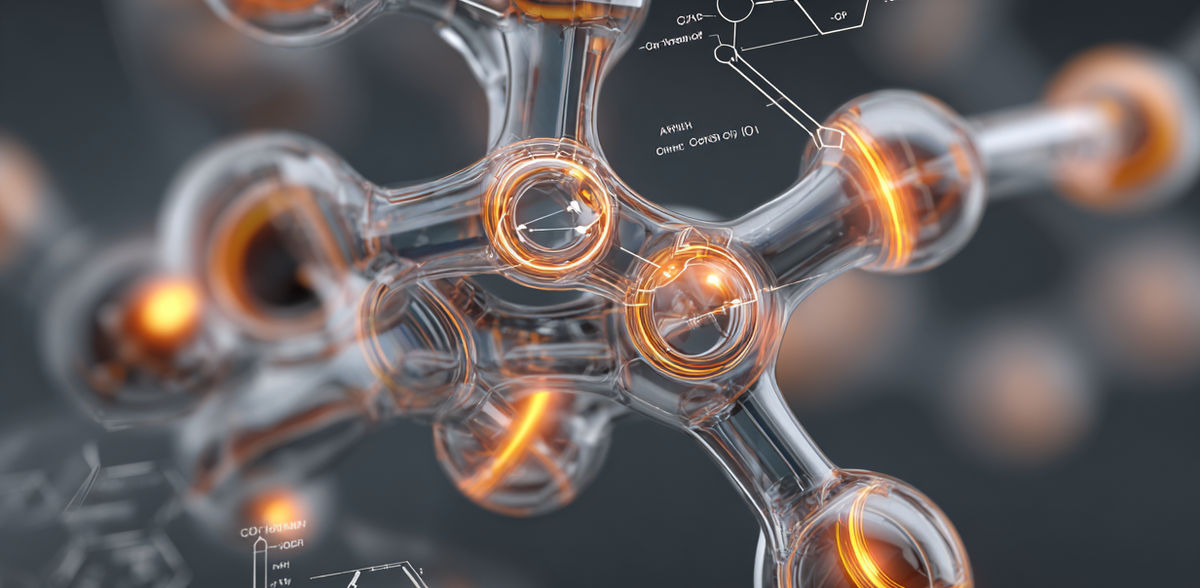
Researchers at the Max Planck Institut für Kohlenforschung have developed a method for synthesizing stable, chiral open-chain amines with chirality on nitrogen, a previously elusive task. Their work utilizes a new catalytic reaction with a confined chiral catalyst.
A research team from Prof. Benjamin List's department at the Max Planck Institut für Kohlenforschung has solved a long-elusive riddle of chemistry: the synthesis of stable, open-chain amines that carry their chirality on nitrogen. This marks the first achievement of its kind, enabled by a newly developed catalytic reaction and a precisely engineered, highly confined catalyst. The work of the Mülheim scientists is fundamental in nature but also opens up new avenues for active ingredients, catalysts, and materials.
Many molecules exist as distinct mirror image forms. For carbon-based molecules, because of their relevance for biology and medicine, the selective production of either one of the two forms is now an established field of chemistry. However, when the chirality is based on nitrogen instead of carbon, the targeted synthesis of either form becomes very challenging and previously impossible for open-chain amines as the nitrogen atom can flip like an umbrella, losing the chiral purity in the process.
The study, published in the journal Nature, now shows that when two oxygen-containing groups dock onto the nitrogen, it folds over much more slowly. Combined with a newly designed reaction – the addition of a so-called enol silane to a nitronium ion and a tightly confined chiral catalyst, the researchers were able to obtain enantiomerically pure products. The use of acids as catalysts is a specialty of the List Group.
“For a long time, it was believed that nitrogen-stereogenic amines with open chains could not be made” explains Dr. Chandra De, one of the leading minds of the research team and a co-author of the study. “We show that it is possible after all – if you ‘immobilize’ the nitrogen and force the reaction into a narrow, tailor-made pocket.”
This controlled, targeted production of N-stereogenic, open-chain amines was considered particularly difficult. The catalytic approach now demonstrated makes such molecules accessible and provides high selectivity. The principle—a narrow, enzyme-like catalyst space plus targeted substituent selection—could be transferred to other pyramidal molecules.
Original publication
Other news from the department science












Most read news



More news from our other portals
















Last viewed contents

The spider with the bee venom - New perspectives for the search for active substances against cell-based diseases - Researchers decode the toxin arsenal of the most poisonous native spider species

Is the immune system younger in the morning? - The internal clock of immune cells
Pancreatic cancer forms "synapses" - Pancreatic tumors use neurotransmitters to drive their own growth: Researchers hope to identify drugs that can block this process

A toxin with a useful twist - Their work opens the door to new applications in lab-on-a-chip technologies, biosensors, and artificial cell prototypes

Gene scissors in camouflage mode help in the search for cancer therapies - Overlooked genes for metastasis formation uncovered
Gene modification enables more functional liver cells from stem cells
Bacteria Borrow Viruses to Spread Their Own Defences - Pseudomonas fluorescens exposed to sterile compost filtrate acquired multiple mobile genetic elements carrying anti-phage defence genes
Opening the door to affordable lab-grown beef, cow cells defy aging - A potential game-changer for creating sustainable, ethical meat without the environmental toll of traditional livestock farming

Synthesizing fine chemicals: Technological Advance in Production of Pharmaceuticals

Rentschler Biopharma announces largest single investment at its headquarters in Germany - Construction of a new buffer media station in Laupheim

Evotec announces sale of API manufacturing facility to Monacum Partners - New ownership committed to maintaining and growing the business