Gene modification enables more functional liver cells from stem cells
Advertisement


liver cells are indispensable for research— for drug testing, to better understand diseases such as hepatitis, fatty liver, cirrhosis, or liver cancer and for development of future cell therapies. However, obtaining human liver cells from biopsies and donor organs is challenging. Therefore, research requires alternative sources of liver cells.
The perspective of obtaining bona fide hepatocytes (liver cells) from pluripotent stem cells offers enormous potential as an alternative resource. However, there has not yet been sufficient research into the processes that enable stem cells to acquire the traits of functional liver cells. A recent study by the Leibniz Research Centre for Working Environment and Human Factors in Dortmund (IfADo) now shows that the gene regulatory network of the DNA transcription factor CDX2 plays a decisive role in this problem.
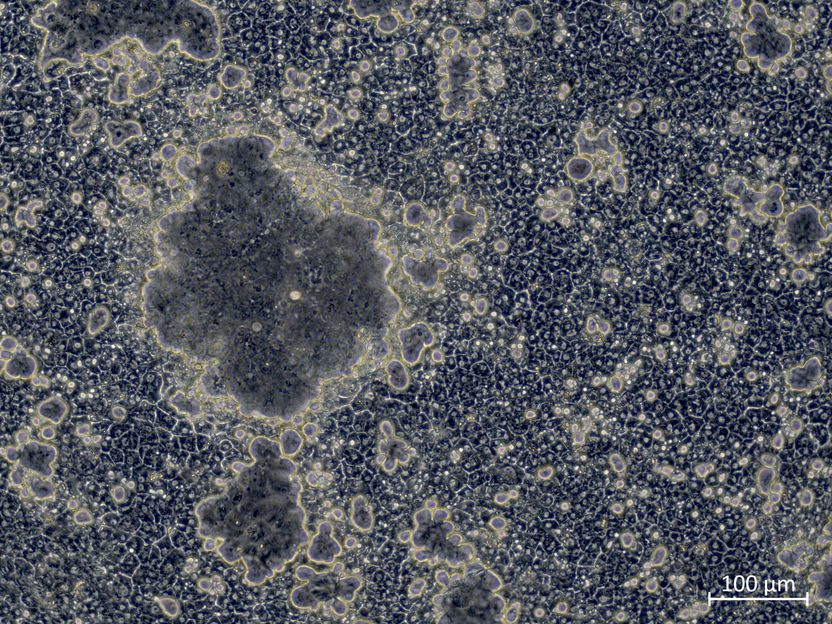
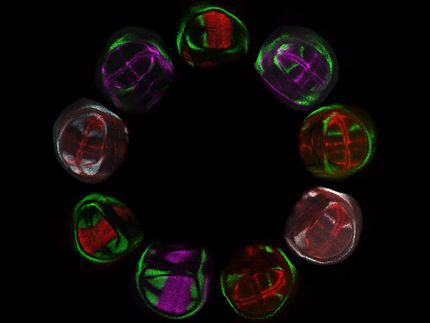
Microscope images show that when the CDX2 network is active, liver cells derived from stem cells form unusually large bile ducts with intestinal enzymes.
Copyright: IfADo
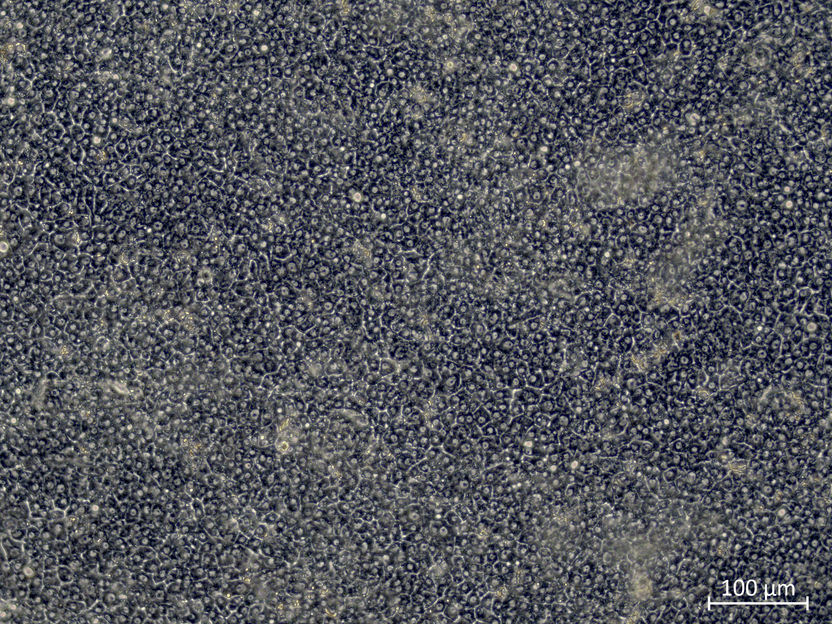
When CDX2 is turned off, the cells produce the typical bile ducts seen in liver cells.
Copyright: IfADo
Intestine and liver: cells show hybrid properties
In previous research works, the research group ‘Regulatory Networks of Stem Cell Differentiation (StemNet)’ led by Dr. Patrick Nell had demonstrated that current methods for deriving hepatocytes from stem cells resulted in so-called hybrid cells – cells that possess properties of both liver and intestinal cells.
“Hepatocytes and epithelial cells of the intestinal tract share a common origin in embryonic development, as the liver develops from a part of the primitive intestinal tract. In later development, the distinct cell types mature, which is controlled by varying levels of activity in gene regulatory networks that are associated with the respective cell types.” explains Antonia Thomitzek, doctoral student at StemNet. “Our limited understanding of and control over this process results in the generation of hybrid cells, which do not yet accurately reflect the function of physiological liver cells. “
The StemNet research group has now discovered that the CDX2 network, which is unexpectedly active during the generation of liver cells from stem cells, plays a crucial role in establishing the hybrid phenotype of stem cell derived hepatocytes. By switching off CDX2 they were able to prevent the development of undesirable properties that are more typical of intestinal cells than hepatocytes.
Gene scissors enable functional liver cells
In their current study, the researchers used the ‘gene scissors’ CRISPR-Cas9 system to selectively target the CDX2 gene, which thereafter was left non-functional. CRISPR-Cas9 is a molecular biological method for cutting and modifying DNA at a selected site. If CDX2 is switched off using this method, the development of intestinal-typical characteristics is prevented almost entirely. Instead, the cells develop a clear liver phenotype. They show improved liver functions such as the correct formation of bile ducts and more efficient transport of bile acids. These characteristics are essential for functional liver cells.
“Understanding the influences of gene regulatory networks on the emergence of cellular identity is fundamental for developing reliable cell and tissue model systems based on stem cell technology” explains Dr. Patrick Nell. “This way, we advance research on suitable alternatives to animal testing and the responsible development of future cell therapies.”
The results are part of the ‘HyCell’ project, which is funded by the German Research Foundation with around 408,000 euros and will run until 2028. They mark a milestone in the development of stem cell technology, as more representative in vitro systems for liver research could make drug development more efficient and safer, and benefit applications in regenerative medicine.
Other news from the department science







Most read news



More news from our other portals













Last viewed contents
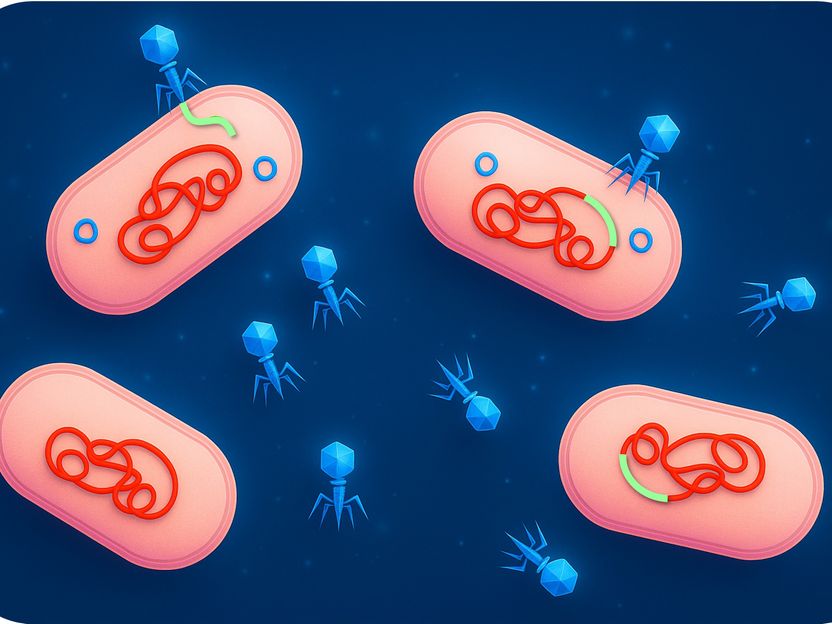
Bacteria Borrow Viruses to Spread Their Own Defences - Pseudomonas fluorescens exposed to sterile compost filtrate acquired multiple mobile genetic elements carrying anti-phage defence genes
Opening the door to affordable lab-grown beef, cow cells defy aging - A potential game-changer for creating sustainable, ethical meat without the environmental toll of traditional livestock farming

Synthesizing fine chemicals: Technological Advance in Production of Pharmaceuticals

Rentschler Biopharma announces largest single investment at its headquarters in Germany - Construction of a new buffer media station in Laupheim

Evotec announces sale of API manufacturing facility to Monacum Partners - New ownership committed to maintaining and growing the business

Ceva Animal Health invests in new 7,000 m² vaccine manufacturing facility to expand global production capacity

Daiichi Sankyo's investments in cancer drugs are taking shape - From Bavaria to the world: Daiichi Sankyo transfers technology for the development and production of antibody-drug conjugates to Germany
Waldner: Ground-breaking for new powder coating plant

Roche lays the foundation for the diagnostics production of the future in Germany - Investment of more than 600 million euros in a high-tech production center - Roche's largest single investment in Germany to date
ProBioGen expands protein and virus manufacturing to drive continued growth

Sensirion opens additional production building in Debrecen