Berthold Technologies
Screening of GPCR-antagonists using the calcium mobilisation assay
Accurate and reliable characterization of potential antagonists for pharmacological studies
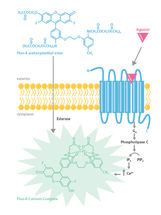
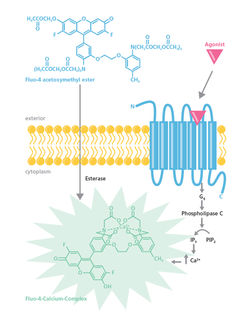
The nucleotide receptor family P2Y comprises of G protein-coupled receptors that show potential as drug targets for various disorders. Targeting the P2Y2 subtype is particularly promising, since antagonists could be effective against tumour metastasis, excessive inflammatory reactions, atherosclerosis, kidney disorders, and osteoporosis [1-3]. The precise role of the P2Y2 receptor in these conditions is often not clear, which can be partially attributed to the limited availability of potent and selective antagonists that are required for pharmacological studies [4]. To characterise potential antagonists, three commercially available compounds were screened for P2Y2 receptor inhibition using the calcium mobilisation assay with two different fluorescent dyes measured on a TriStar² LB 942 plate reader. Reliable and consistent results were obtained.
Advertisement


White Paper classification
White papers on related topics
Products on related topics
Manufacturers of similar products
You may also be interested in these white papers



Last viewed contents
Automation of the Bioo MaxSignal Aflatoxin M1 ELISA Test Kit - The Crocodile ELISA miniWorkstation reduces labour and provides excellent results
How to purify and analyze your antibodies efficiently - All the chromatography methods and practical tips to simplify and reduce the costs of your processes

Expanding the Boundaries Of Light Scattering Detection - A True Innovation - Comprehensibly Explained
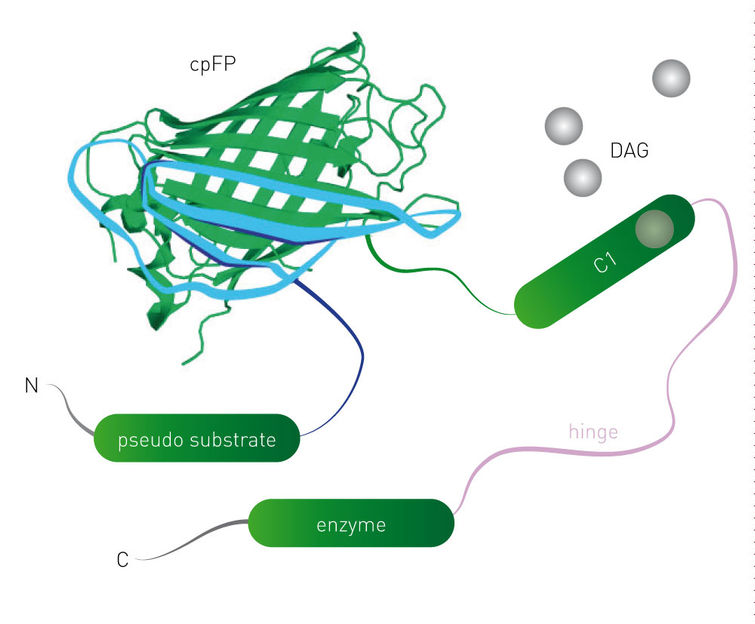
Simultaneous Detection of GPCR Second Messengers in Living Cells -
Measuring Changes in Intracellular Metabolism - By Monitoring Extracellular Acidification and Oxygen Consumption in Real-Time
In vitro System Measures Cellular Responses to Oxygen Changes During Ischemia and Reperfusion - Microplate Reader Imitates Oxygen Removal And Recovery Of A Vascular Closure
Real-Time Assessment of Apoptosis and Necrosis -
FRET sensor assesses ATP levels in living plants experiencing low oxygen conditions -
Bioanalytical Support in the Development of Biologics - The Need for Sensitivity combined with broad Assay Range – Case Studies

UV/VIS Spectrophotometry Applications for Life Science in a Nutshell -
The Diffusion Interaction Parameter (kD) as an Indicator of Colloidal and Thermal Stability -